

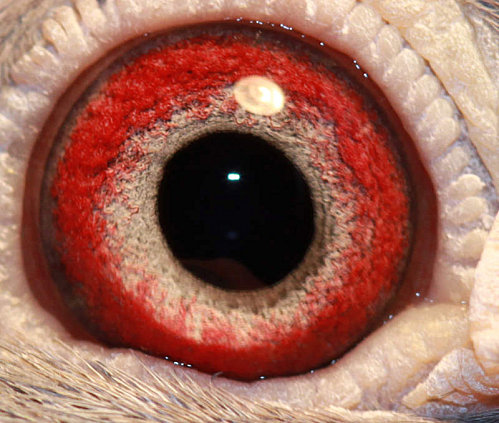
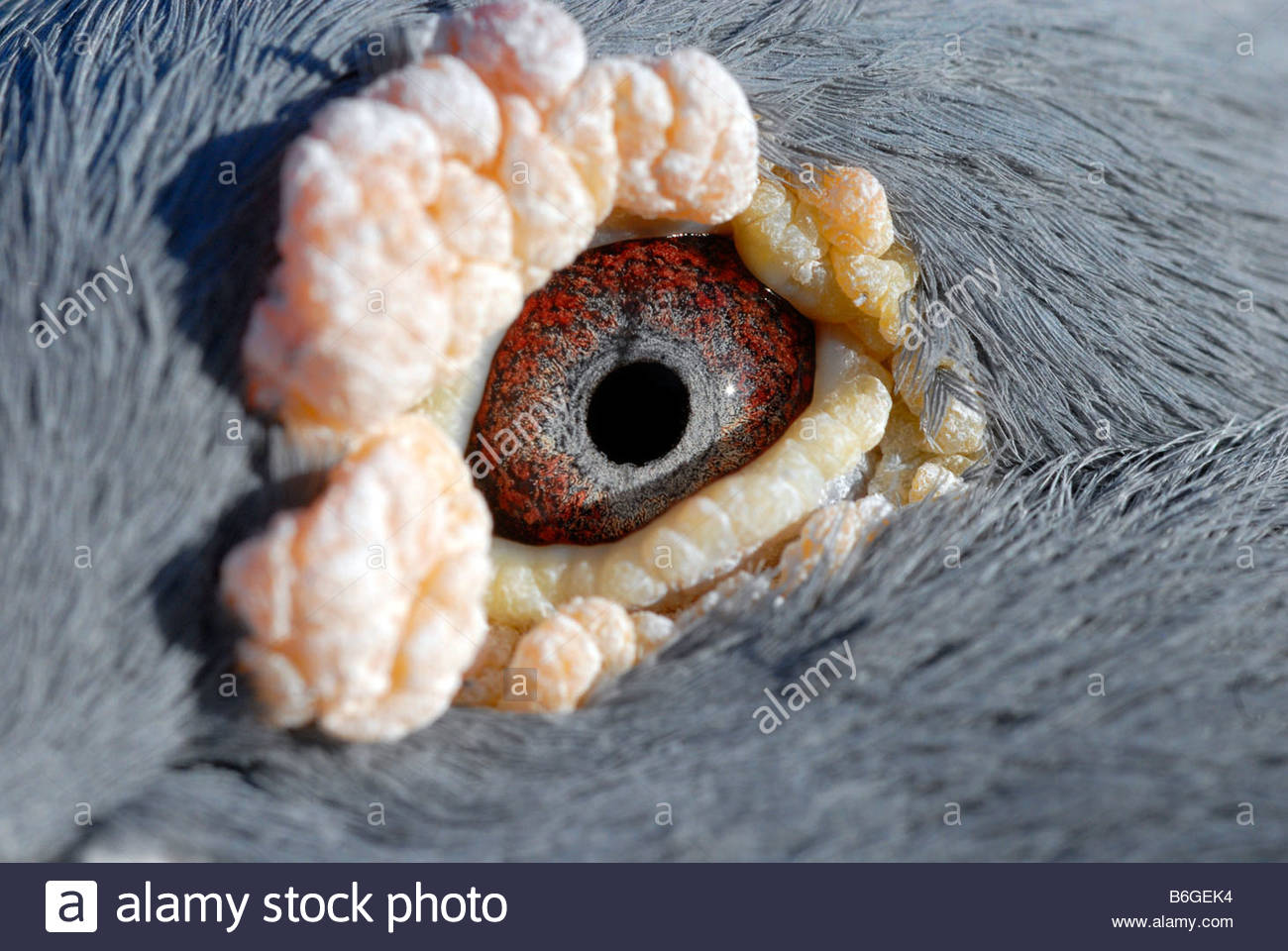
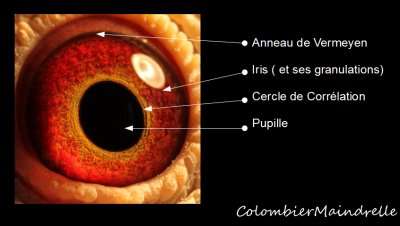
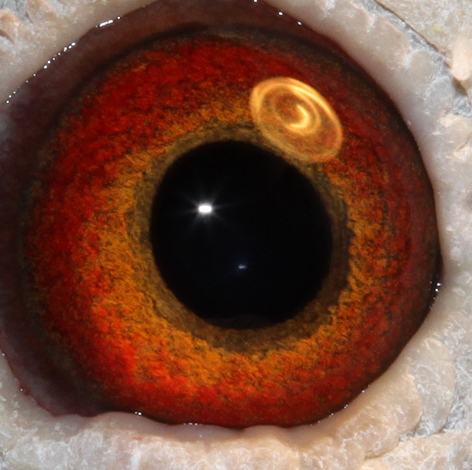
Eye color in birds is a diverse trait often used for intraspecific signaling, serving as a key indicator of age, sex, mate quality, or breeding status. While dark brown is most common, varied colors (red, yellow, white) frequently indicate maturity or hormonal changes during the breeding season.
Key Meanings of Bird Eye Color:
Pam please tell Donnie these Hansennes do indeed have a lot of class. Large wings like I've never seen like maybe on a duck or owl. They have a lovely prance, and their Roman noses takes the cake. Love it! Keep up the good breeding Donnie.
Dear Don,
Just sending a gift for my appreciation for getting such nice Sion birds from you. When I get some youngsters from them, I will send you some photos. I am still planning on purchase another hen and cock. Have a good breeding season with your birds.
Received birds this morning here in Missouri. They are safe and both beautiful.
Beautiful female pigeon. Lovely mix of colors, fether quality and great posture. I figured her picture wasn't the best pose. The male is impressive and very masculine looking and I'm happy to say they are calm and get along very well together. Thanks again they are gorgeous....
The birds arrived today got them all tucked in the loft. You saved the best for last I think there nice birds ,,only sorry I didn't buy a couple of the other hens. Thanks alot
Hello. I received the birds today they look great. Thank you very much.
The Hen is here! Awesome bird & I can feel the power just holding her. She is very calm pigeon & that is always a plus. Thanks so much!
Hi this is Nate from Wisconsin. I just wanted to let you know the Andalusian cockbird made it here in good shape today. Thanks again!
Hi Don, birds are adapting well. I like their presentaion & calmness. Looks like they will fit in with my birds. I see what you mean about the BB. We'll see how he produces. Might b a genetic thing & go away when crossed with and unrelated hen.
Regards
Jim
Halo! Just picked up bird from post office. Thank you very much!
Thank you very much for your attention. the pigeons are beautiful and eat well. Im recommending your pigeons to my friends. I hope to buy more pigeons from you in the future. Thank you.
Arrived early and in perfect condition. I have 8 favorites.
