

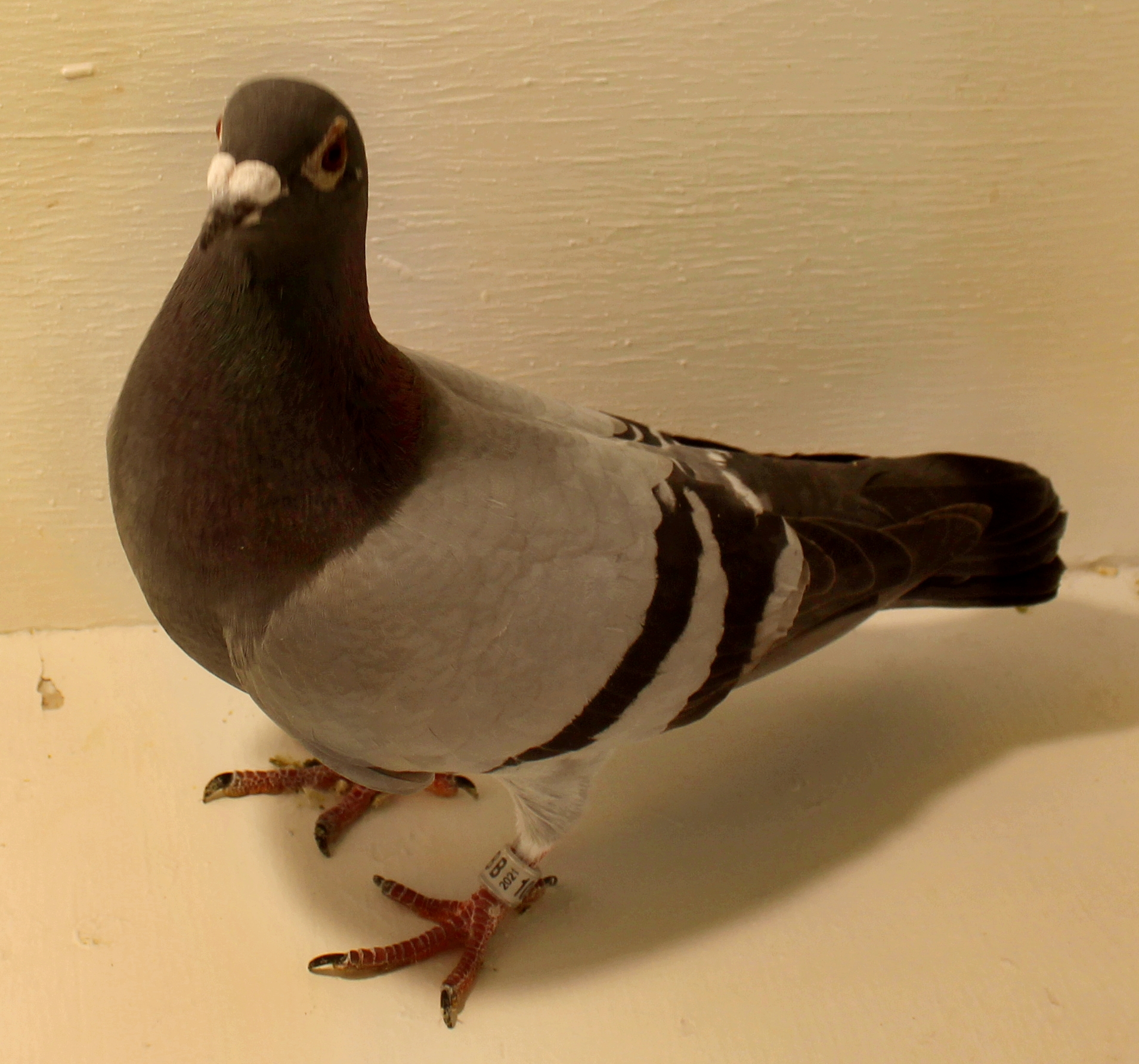
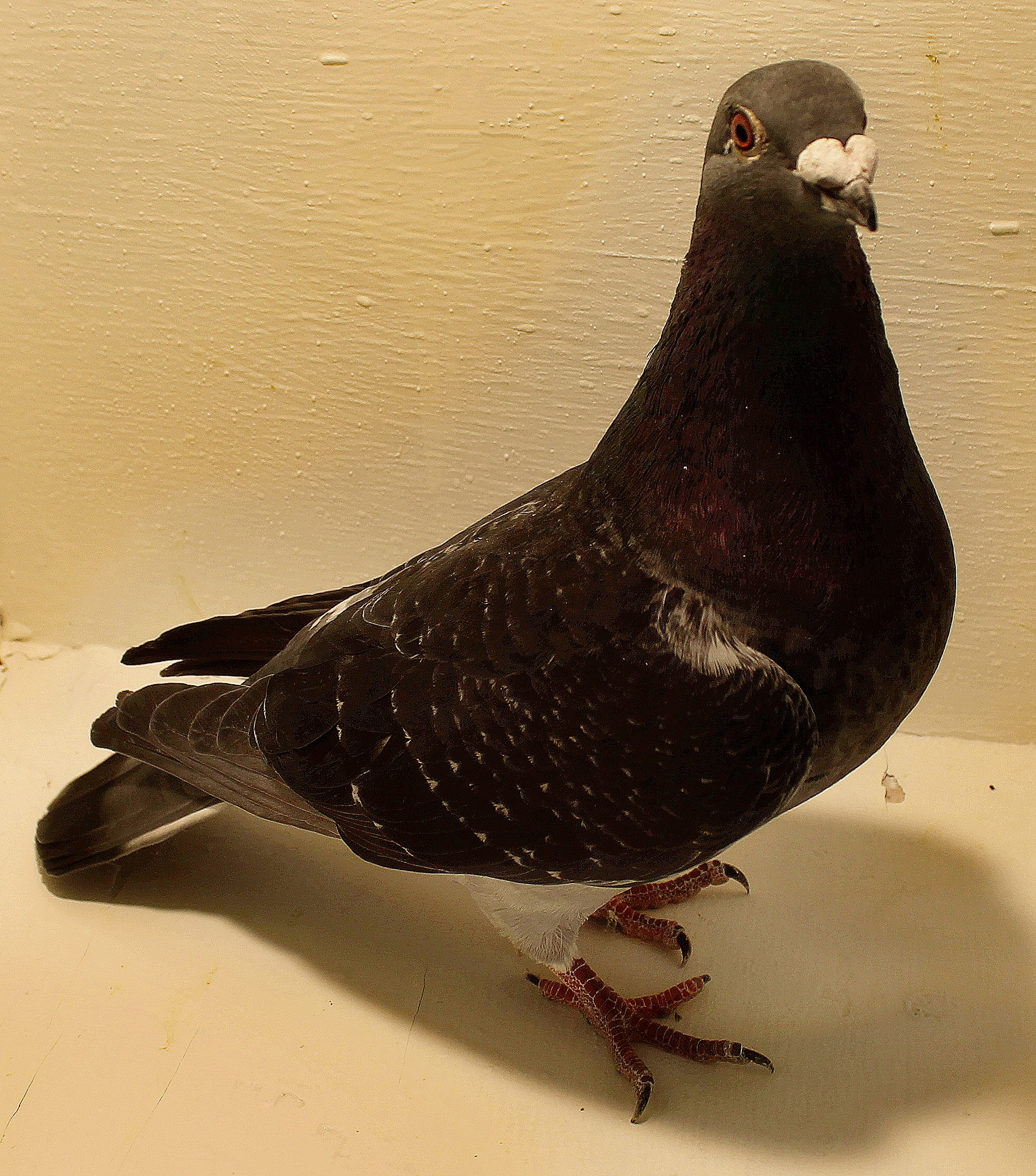
The sport of racing pigeons has evolved from the ancient hobby of keeping homing pigeons. For centuries, pigeons have been used as message carriers by nobility, armies, and businessmen, and have been variously called: Messenger Pigeons, Carrier Pigeons, and Homing Antwerps. In the early 1800s, competitions were organized in Belgium, usually regarded as birthplace of the sport of racing pigeons. That is why early racing pigeons were called Antwerps, after the city of Antwerp, Belgium.
Racing in the USA started in the 1870s in Philadelphia, in Canada soon thereafter. Today, there are two national organizations for racing pigeons in the US and one in Canada. The oldest organization is the International Federation of American Homing Pigeon Fanciers, Inc. formed in 1881. The largest organization is the American Racing Pigeon Union formed in 1910. The Canadian Racing Pigeon Union, Inc. was formed in 1929.
A minimum of five flyers make up a club. More than one club may organize races together forming organizations variously called Combines, Concourses, Federations and Associations. Clubs are affiliated with a national organization from which they can purchase seamless identification bands which must be placed on a baby’s leg between 6 to 10 days, after which the leg grows making it impossible to remove the band without cutting. The band becomes the bird’s permanent identification number. Example: AU 11 LCL 342 – this bird is registered with the American Racing Pigeon Union, was hatched in 2011, through the Lake Charles Racing Pigeon club (LCL) and is the only bird in that club and year with the number 342.
A loft is where pigeons are kept. It can be but a few cubic feet to several hundred cubic feet depending on the location and wishes of the fancier. Youngsters will bond to a loft when they are very young. They do not have to be born in the loft to consider it their home. Youngsters are usually placed on a landing board before they can do much more than flutter. A “trap” is the place where the pigeons can enter the loft but not go back out. The youngsters learn how to trap or enter the loft and gradually, by increased flying, learn their backyards, neighborhoods, and the general areas surrounding their loft. After four or five months of daily flying around the loft, the youngsters can be taken away from the loft for a training toss. Some flyers toss starting at one mile, others at five miles or farther. The youngsters have the homing instinct bred into them and the tossing “activates” the instinct they already have. They are not taught to come home. The birds are taken progressively farther to fine tune their homing instinct so that they return home quickly and to physically condition them to fly the ever increasing distances. Training usually stops at 50 to 100 miles before the races begin.
There are two racing seasons. Youngsters are raced in the year of their birth in the fall from distances of 100 miles to 400 miles. Old birds are raced in the spring from 100 to 600 miles. The birds are brought to the club shipping location and entered into the race. They are placed in race crates, which are then sealed and the crates are transported to the designated race site. Depending on the weather conditions, the birds are all released together and fly together before peeling off to fly to their own lofts. When they arrive home, they must enter the loft and be “clocked.” It is not the first bird home that wins the race, but the fastest. All flyers have had their lofts measured form the various release points so each lofts birds are flying distances that can vary 50 or more miles. By taking the flying time and distance flown, the speed in yards per minute is calculated and the fastest speed wins the race.
Diplomas are awarded, usually on the basis of 1 diploma for every 20 birds entered into the race in the US. In Europe, the award is usually 1 prize for every 5 birds entered.
There are futurity races scattered throughout the North American continent where youngbirds are sent for a fee and compete in one or more races for prize money.
Pam please tell Donnie these Hansennes do indeed have a lot of class. Large wings like I've never seen like maybe on a duck or owl. They have a lovely prance, and their Roman noses takes the cake. Love it! Keep up the good breeding Donnie.
Dear Don,
Just sending a gift for my appreciation for getting such nice Sion birds from you. When I get some youngsters from them, I will send you some photos. I am still planning on purchase another hen and cock. Have a good breeding season with your birds.
Received birds this morning here in Missouri. They are safe and both beautiful.
Beautiful female pigeon. Lovely mix of colors, fether quality and great posture. I figured her picture wasn't the best pose. The male is impressive and very masculine looking and I'm happy to say they are calm and get along very well together. Thanks again they are gorgeous....
The birds arrived today got them all tucked in the loft. You saved the best for last I think there nice birds ,,only sorry I didn't buy a couple of the other hens. Thanks alot
Hello. I received the birds today they look great. Thank you very much.
The Hen is here! Awesome bird & I can feel the power just holding her. She is very calm pigeon & that is always a plus. Thanks so much!
Hi this is Nate from Wisconsin. I just wanted to let you know the Andalusian cockbird made it here in good shape today. Thanks again!
Hi Don, birds are adapting well. I like their presentaion & calmness. Looks like they will fit in with my birds. I see what you mean about the BB. We'll see how he produces. Might b a genetic thing & go away when crossed with and unrelated hen.
Regards
Jim
Halo! Just picked up bird from post office. Thank you very much!
Thank you very much for your attention. the pigeons are beautiful and eat well. Im recommending your pigeons to my friends. I hope to buy more pigeons from you in the future. Thank you.
Arrived early and in perfect condition. I have 8 favorites.
